Marching Against Antisemitism
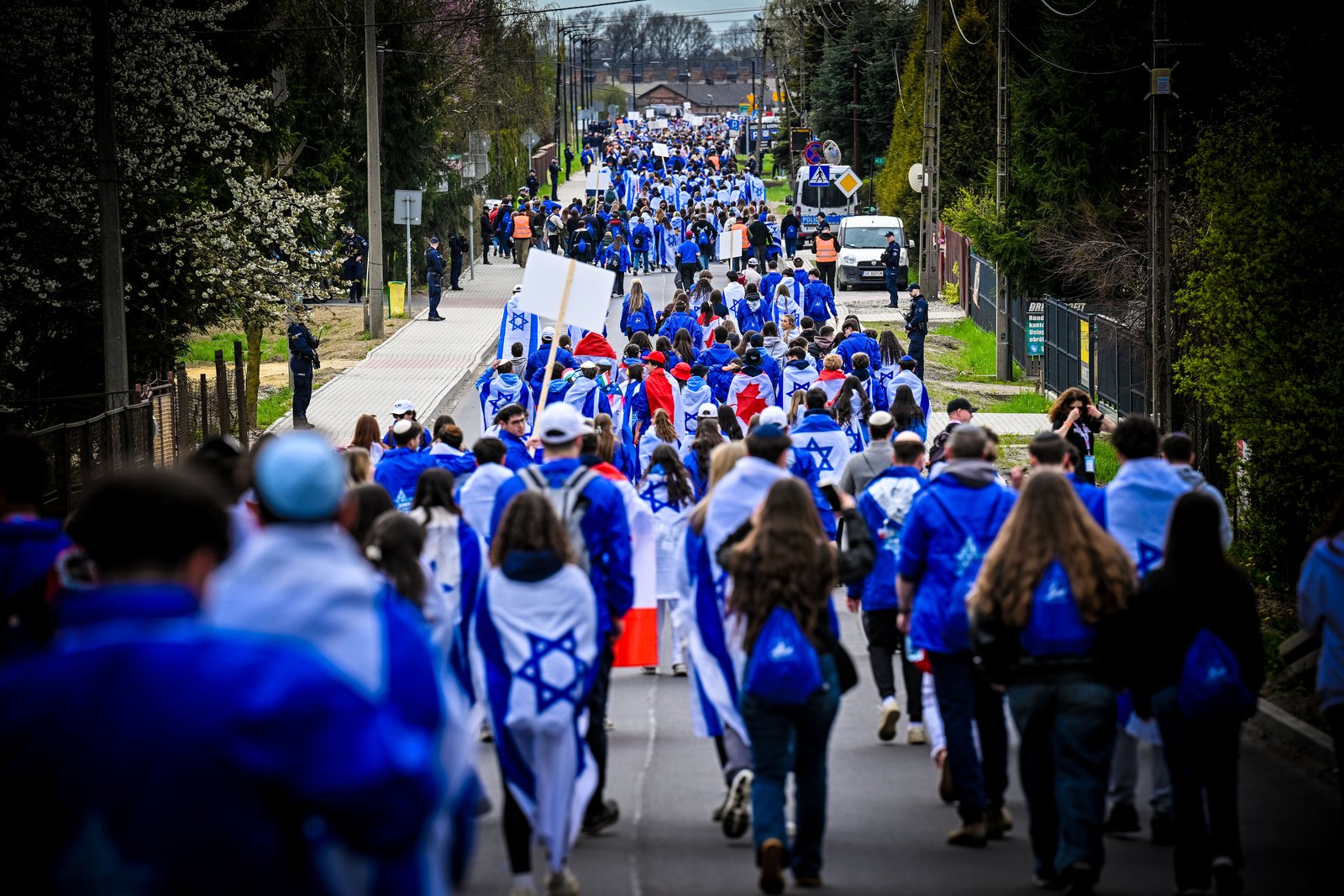
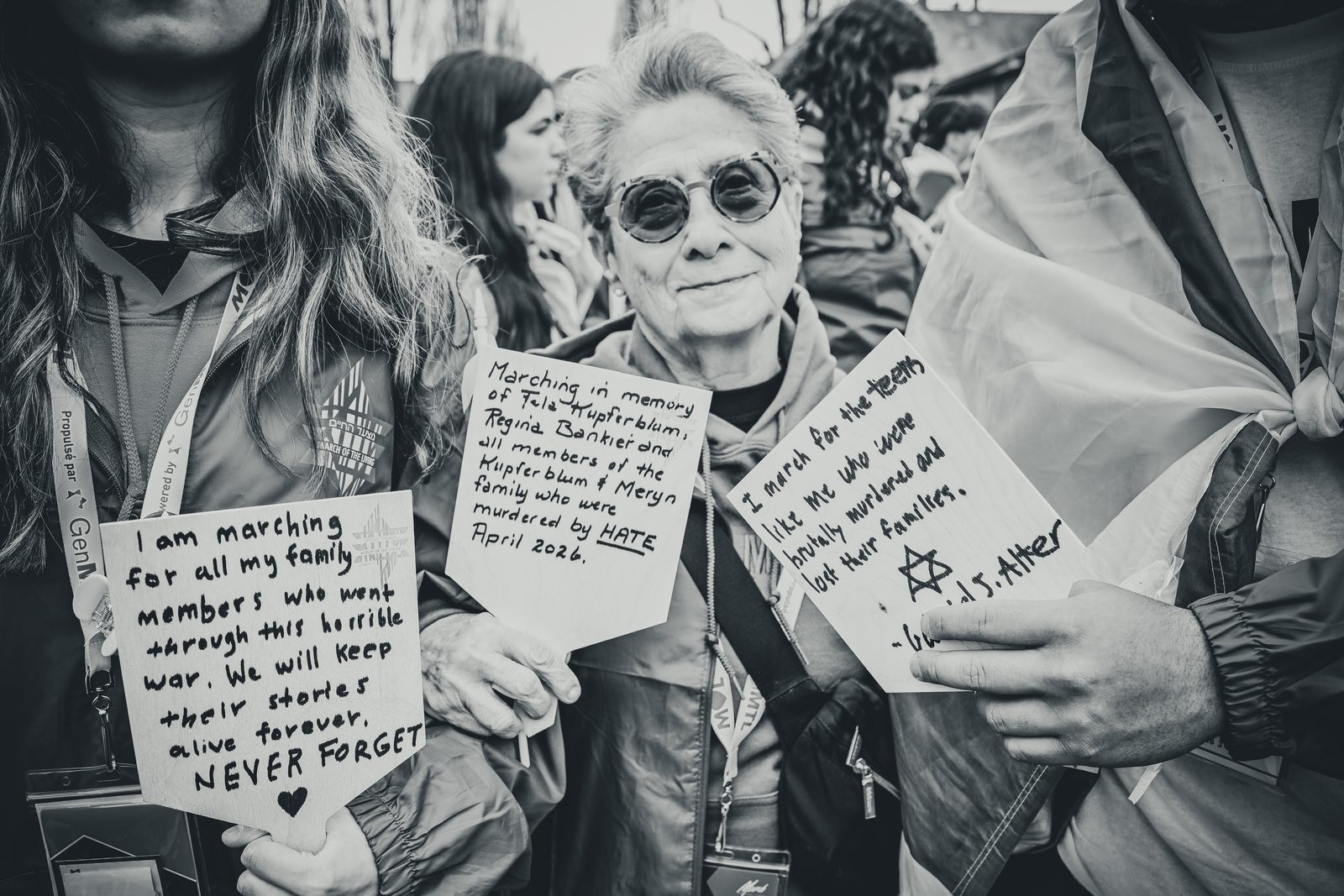
The 2026 March of the Living was held under the theme “Marching Against Antisemitism,” highlighting recent acts of antisemitic violence in Sydney, Manchester, and Washington, D.C. Approximately 7,000 participants from international delegations took part in the March, including former Israeli hostages kidnapped by Hamas on Oct. 7, 2023.
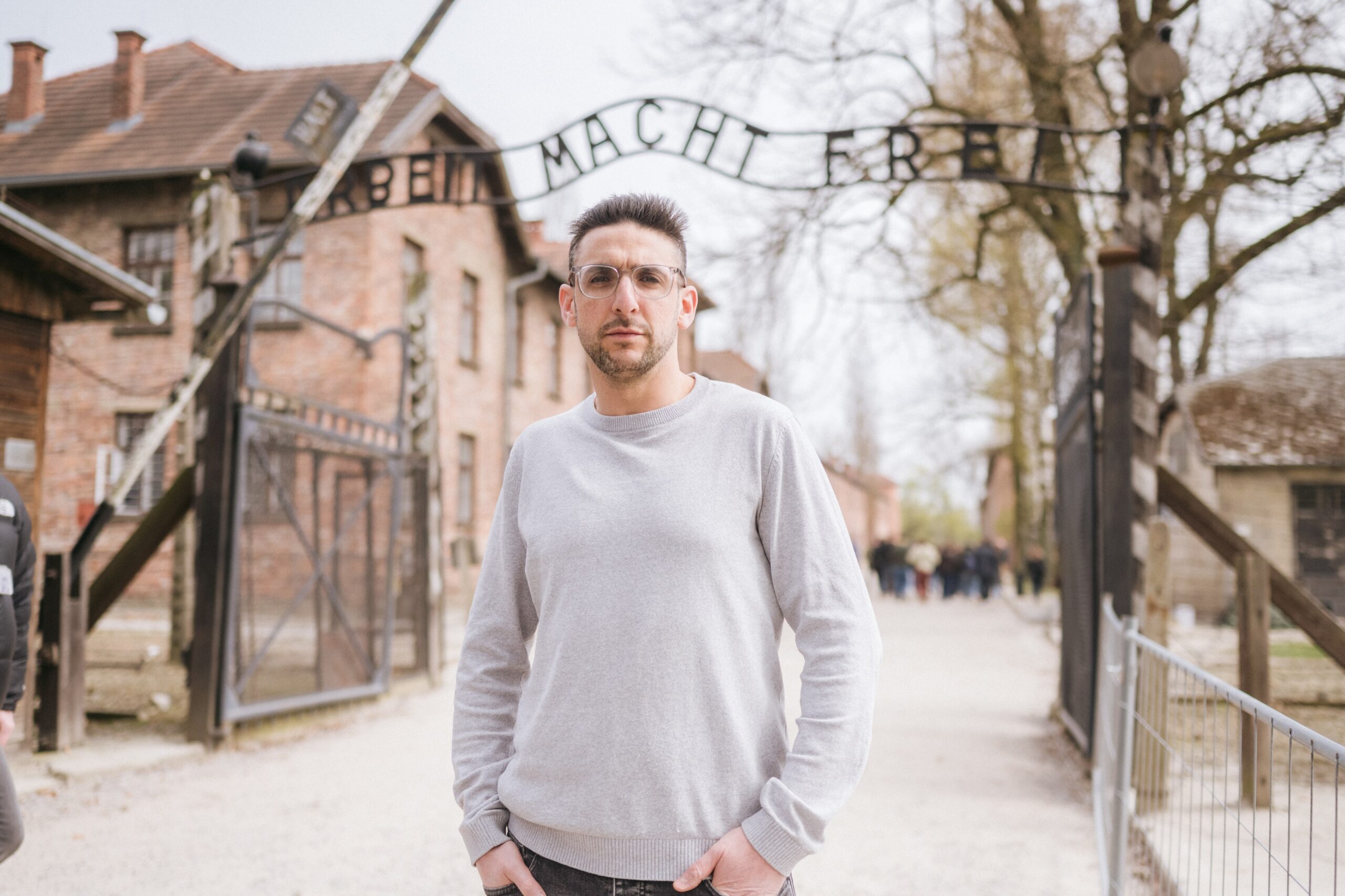
The March began under the main gates at Auschwitz, with Baruch Adler, Co-Founder & Vice Chairman, addressing participants:
“We stand before this gate, Auschwitz. A gate through which Jews were forced into hell. A gate that led millions of Jews to their destruction. And now we cross the same gate. No, not as they were driven in, but as Jews who walk out upright, confident, unbroken… We march for the murdered Jews. We march for the slaughtered Jews. We march to pay respect to the Righteous Among the Nations. And with every step, millions of Jewish souls walk beside us calling to us, ‘Do not let us be forgotten.’ And today, when antisemitism rises again, when Jews are targeted for being Jews, this march is more than memory. It is responsibility.”
Baruch Adler · Co-Founder & Vice Chairman
A Living Symbol of Memory, Resilience, and Continuity
The March was led by Sylvan Adams, president of World Jewish Congress Israel and the son of Holocaust survivors, alongside approximately 40 Holocaust survivors from the Diaspora and 10 Holocaust survivors from Israel — in what the organization described as “a living symbol of memory, resilience, and continuity.” Several of those survivors helped light the first torch dedicated to combating antisemitism, along with U.S. special envoy Rabbi Yehuda Kaploun.
The 2026 program also commemorated Elie Wiesel, an Auschwitz survivor and recipient of the 1986 Nobel Peace Prize, on the 10th anniversary of his death. Organizers recalled Wiesel’s emphasis on memory, hope, and bearing witness as part of the ceremony’s broader message of Holocaust remembrance. Co-founder and Chair of the program, Shmuel Rosenman, said:
“We stand here today in Auschwitz-Birkenau. A place where the ground remembers, and where silence still speaks.”
Shmuel Rosenman · Co-Founder & Chair
“I believe that those who dwell in this miserable place are grateful that we have continued our emotional annual visit and remembrance and respect, and have proven yet again, against all obstacles, that they are not forgotten.”
Phyllis Greenberg Heideman · President, International March of the Living
Co-Led by Survivors of Recent Antisemitic Attacks
The March was also co-led by survivors of global antisemitic attacks in 2025, including Eva Wietzen, a survivor of the Bondi Beach Hanukkah attack in Sydney; Yoni Finley, who was wounded in a Yom Kippur shooting at a synagogue in Manchester; and Abbie Talmoud and Catherine Szkop, survivors of a May 2025 shooting at the Israeli embassy in Washington, D.C.
The planned Israeli delegation of approximately 1,000 to 1,500 participants was unable to attend the 2026 March of the Living due to air travel restrictions and security concerns during the ongoing conflict with Iran. Despite this, a smaller group of Israeli Holocaust survivors was nevertheless able to travel to Poland and participate in the March.
Voices of Warning at the Yom HaShoah Ceremony
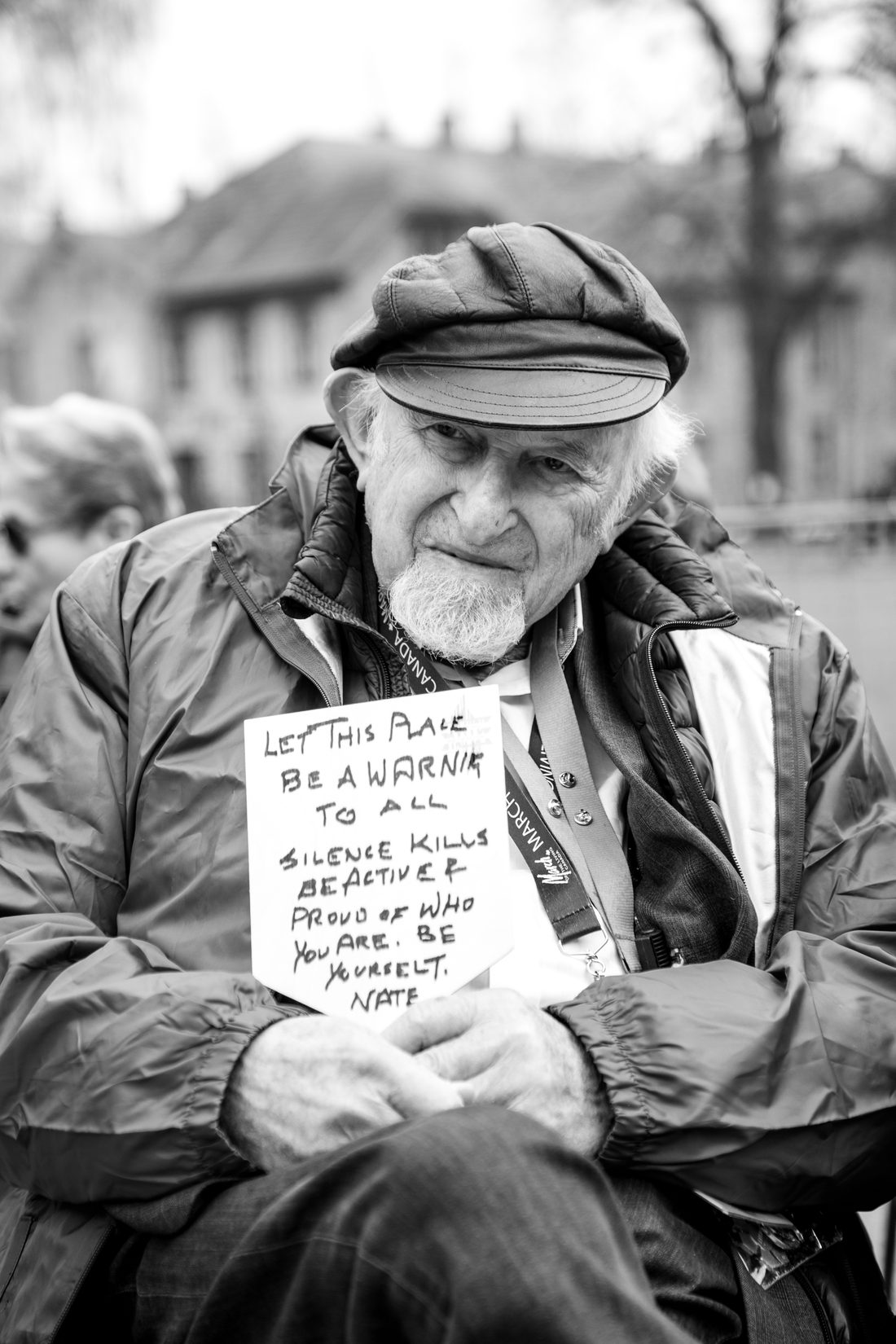
Holocaust survivors Tova Friedman and Nate Leipciger spoke during the Yom HaShoah ceremony, warning about rising antisemitism. Leipciger, a Canadian survivor, specifically referenced increasing antisemitism in Canada, while both survivors emphasized the need for younger generations to remain vigilant and actively confront hatred. For Leipciger, 2026 marked his 22nd time participating, leading and sharing his experiences. He also lit the “Next Generation” torch during the opening ceremony.
Harry Rozendaal, a 95-year-old Dutch Holocaust survivor, joined the Toronto March of the Living Adult Delegation and spoke to participants at Auschwitz. Rozendaal, who had travelled to Poland to honour the memory of his mother Catherina, murdered at Auschwitz, died in Warsaw on April 22, 2026, after the conclusion of the trip. A Canadian article commented on his participation, noting that his last act was to honour his mother’s memory in Auschwitz.
Survivor participation also included multigenerational family delegations. Ellen Tissenbaum, a Dutch Holocaust survivor born in 1936, participated in March of the Living shortly before her 90th birthday with her son, grandson, and niece. Tissenbaum attended with 100 high school students, served as a bus captain, and found her mother’s name among records of those murdered at Auschwitz. She said the trip encouraged her to publicly share her Holocaust story after years of silence.
Not On Our Watch: A Global Law-Enforcement Delegation
The 2026 March of the Living included an international law-enforcement delegation organized under the banner “Not On Our Watch: Operationalising Never Again.” The program brought more than 130 senior law-enforcement figures and police executives from around the world to Germany and Poland. It was led by Paul Goldenberg, deputy director of the Rutgers Miller Center on Policing and Community Resilience, and Marvin Haiman, executive director of the University of Virginia Center for Public Safety and Justice.
Before arriving in Poland, many of the law-enforcement leaders gathered in Berlin, where they launched a multinational initiative focused on democratic policing, community protection, early-threat detection, and intelligence-sharing. The delegation signed a declaration in Berlin committing to strengthening cooperation around those issues. Media reported that the delegation’s participation linked Holocaust remembrance with prevention, legitimacy, and the protection of vulnerable communities.
The delegation then travelled to Poland and joined March of the Living at Auschwitz-Birkenau, marching alongside Holocaust survivors, victims of recent terror attacks, and approximately 7,000 other participants. Delegates also heard from Holocaust survivor Allan J. Hall and from victims and witnesses of recent antisemitic attacks.
Goldenberg said “policing was a missing component in Holocaust education,” adding that if the lesson of the Holocaust is “never again,” law enforcement must be part of that commitment.
Paul Goldenberg · Rutgers Miller Center on Policing and Community Resilience
Additional participants included Major Keri Adcock of the Denver Sheriff Department, who reflected that marching from Auschwitz to Birkenau led her to consider confinement, human dignity, dehumanization, and the responsibilities of law-enforcement systems. Capt. Jillian McCoy of the Webster Groves Police Department was one of six scholarship recipients selected for the program and among the roughly 130 executive law-enforcement leaders who joined the 2026 delegation.
The Closing Ceremony
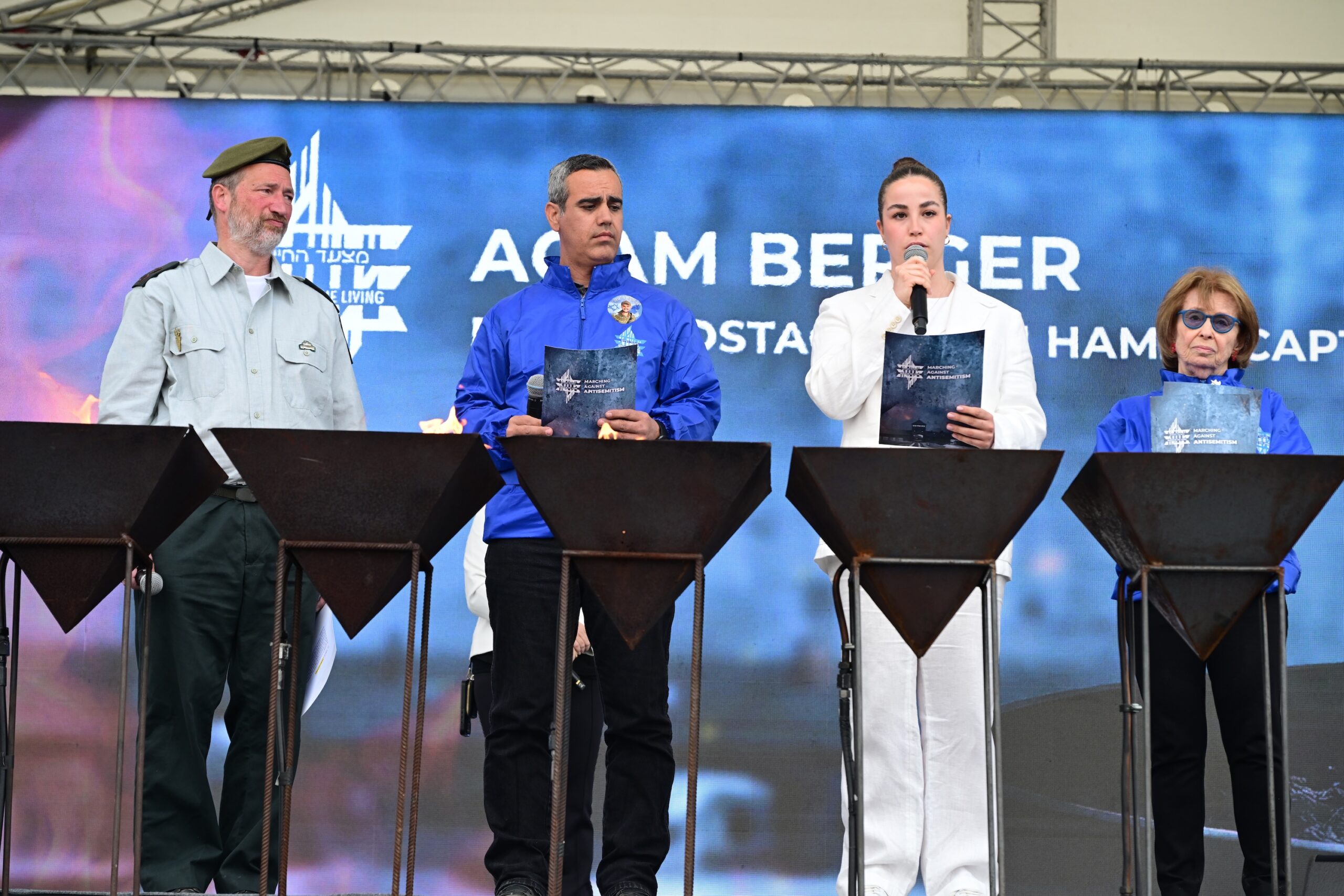
The 2026 closing ceremony brought together Holocaust survivors, Jewish youth, and thousands of participants. It included a violin performance by Agam Berger, a survivor of the October 7 Hamas attack, played on a Holocaust-era violin donated to Yad Vashem by Israeli relatives of a Holocaust survivor. Participants also included 88-year-old Holocaust survivor Irene Shashar, born Ruth Lewkowicz in Warsaw, who survived the war as a hidden child after her father was killed by the Germans.
“I am here because Hitler did not win.”
Irene Shashar · Holocaust Survivor
The ceremony also featured Holocaust survivor Hannah Yakin and Wilhelm Bernard Hazan, who had been born in hiding in the Netherlands and saved through the efforts of Yakin’s father, Johan van Hulst, one of the Righteous Among the Nations. Yakin lit a Torch of Hope at the ceremony.
A Generation Bearing Witness
After completing the March, students published essays reflecting on their participation in Poland. One student described the visit to Holocaust sites as a firsthand encounter with the material evidence of genocide. Twenty-two-year-old student Lottie Cannon reflected that the March left her with a sense of responsibility as part of a generation that may be among the last to hear Holocaust survivors’ stories directly — an experience shaped by visits to Auschwitz-Birkenau, by survivor testimony, and by the challenge of preserving memory after first-hand witnesses are gone. Southbank University JSoc president Rebecca Saunders described the March as an experience that combined Holocaust remembrance, survivor testimony, Jewish identity, and a call to challenge hatred.
Imran Igra described joining a SHARAKA delegation of Muslim leaders from several countries at Auschwitz-Birkenau for March of the Living. He wrote that the experience shifted his understanding of the Holocaust from general awareness to a sense of responsibility, framing the visit as an example of interfaith Holocaust education and Jewish-Muslim dialogue.